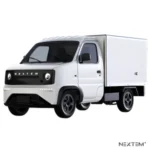


From Assessment to Operation: A Quick Guide to Electrifying Your Fleet

The transition to electric vehicles in logistics is no longer just a trend. It has become a concrete strategy to improve operational efficiency. With more predictable operating costs and a stronger focus on sustainability, many companies now seek to understand how they can integrate this technology into their fleet’s day‑to‑day operations.
This process requires planning, analysis, and the selection of solutions suited to each type of operation. In this article, we explore the essential steps for successful integration, ensuring that electrification delivers real benefits to logistics operations.
Operational Analysis of the Fleet
Before integrating electric vehicles, it is essential to analyse the fleet’s current operation. This assessment makes it possible to identify which vehicles and routes will benefit most from electrification.
The type of cargo (volume, weight, and specific needs such as refrigeration) helps determine which electric models are suitable. It is also important to evaluate the daily mileage per route, ensuring that the available range covers the entire journey without compromising operations.
Finally, the delivery profile (urban, regional, or last mile) directly influences the potential for savings and efficiency. Urban operations, with short routes and frequent stops, are generally the ones that most quickly capitalise on the performance of electric vehicles.
Strategic Vehicle Selection
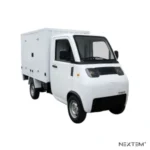
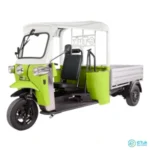
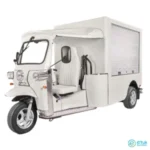
The selection of electric vehicles should be based on the company’s operational needs. For urban or last‑mile routes, light commercial vehicles and delivery vans are usually the most efficient option, thanks to their suitable range and versatile payload capacity.
For operations requiring temperature control, fully electric refrigerated vehicles are increasingly available on the market, delivering stable performance without compromising range.
In larger‑scale operations, such as regional transport or heavy loads, electric heavy‑duty trucks are becoming an increasingly viable alternative, especially on predictable routes with access to charging at the point of departure or arrival.
The key lies in the fit between range, payload capacity, and the type of operation. The better aligned these factors are, the more efficient and cost‑effective the integration of an electric fleet will be.
Charging Infrastructure Tailored to Logistics
Choosing the right charging infrastructure is essential to ensure electric vehicles integrate seamlessly into daily operations. For many logistics companies, depot charging is the most practical solution, combining “slow” chargers for overnight periods with “fast” options for more urgent needs.
Making use of operational windows, such as breaks, waiting times, or shift changes, keeps vehicles ready without affecting productivity. In fleets with multiple shifts or long routes, planning becomes even more important, ensuring each vehicle charges at the ideal times without overloading the available infrastructure.
A well‑defined charging strategy is fundamental to ensuring efficiency, reducing costs, and avoiding interruptions in logistics operations.
Intelligent Energy Management
Energy management is one of the pillars for maximising the profitability of an electric fleet. One of the most effective approaches is to take advantage of lower electricity tariffs, particularly overnight or during off‑peak hours, reducing the cost per charge.
Another relevant strategy is onsite energy generation through solar panels installed at warehouses or logistics hubs. This solution reduces dependence on the grid, stabilises costs, and makes the operation more sustainable.
Finally, integrating the charging infrastructure with fleet management systems helps to plan charging, monitor consumption, and optimise vehicle availability. This combination ensures a more efficient, predictable, and economical operation.
Conclusion
Integrating electric vehicles into logistics operations is a process that requires careful assessment, but it quickly translates into efficiency gains and cost reductions.
By analysing the current fleet, choosing the right vehicles, planning the charging infrastructure, and adopting intelligent energy management, companies can build a more stable, economical, and sustainable operation.
Today, there are solutions designed for this type of operation. The Nextem range offers electric vehicles designed for professional short‑ and medium‑distance use, making the transition simpler and more accessible.
As technology evolves and specialised offerings increase, fleet electrification becomes a decisive strategic choice for the future of logistics.
You Might Also Like

How to Integrate Electric Vehicles into Logistics Operations
From Assessment to Operation: A Quick Guide to Electrifying Your Fleet.
Read more

Orca vs Traditional Van: Which Is the Best Choice for Urban Deliveries?
Compare our Orca model with traditional vans and discover the best solution for your business.
Read more
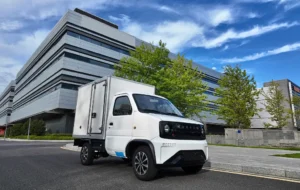
Meet Orca: an Electric Commercial Vehicle for Logistics and Transport
Discover Orca and learn how this electric commercial vehicle can make your logistics operation more efficient and sustainable.
Read more