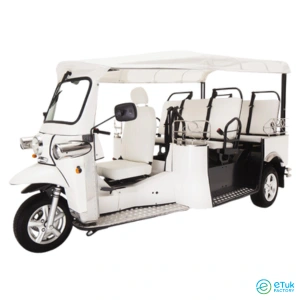


Explore the advantages that adopting electric vehicles brings to your logistics operation

The pressure to reduce operating costs and increase efficiency has led many logistics companies to reassess how they use their fleets. With rising fuel prices and the need for more predictable and sustainable operations, electric vehicles are becoming an increasingly relevant alternative. Beyond contributing to cleaner mobility, they offer tangible economic benefits, especially in high‑utilisation scenarios.
In this article, we examine the main advantages of electric vehicles as applied to the logistics sector and how they can help make operations more competitive.
Direct Reduction in Cost per Kilometre
Replacing combustion vehicles with electric models immediately reduces the cost per kilometre travelled. In most scenarios, electricity is significantly cheaper than diesel, which translates into daily operational savings.
Moreover, the energy efficiency of electric motors is much higher, which means less waste and greater control over costs. For intensively used fleets, this difference, compounded over the month, represents a cost reduction that is hard to ignore.
Lower Maintenance Costs
Electric vehicles require far less maintenance than combustion models, mainly because they have fewer components subject to wear. This translates into fewer workshop visits, less downtime, and more predictable costs throughout the year.
For logistics companies, where fleet availability is essential, this reduction in maintenance represents not only financial savings but also greater operational reliability. The fewer interruptions there are, the more efficient the entire delivery chain becomes.
Tax Savings and Incentives
Adopting electric vehicles can deliver significant savings thanks to the tax incentives available to businesses. In Portugal, there are benefits such as exemption from ISV (vehicle tax), exemption from IUC (annual circulation tax) for 100% electric vehicles, and the possibility of full VAT deduction for certain categories of vehicles allocated to professional activity. These measures substantially reduce the initial investment.
In addition, there are national and European programmes that offer direct incentives for fleet renewal and the installation of charging infrastructure. When these supports are combined with lower operating costs, the total cost of ownership (TCO) of electric vehicles becomes more competitive, accelerating the return on investment.
Ideal Performance for Urban Operations
Electric vehicles are particularly efficient in urban operations, where frequent stops are part of the routine. Regenerative braking recovers energy whenever the vehicle slows down, increasing range and reducing brake wear.
Moreover, the electric motor delivers an immediate response, which improves agility in areas with heavy traffic and contributes to faster, more reliable operations. For logistics companies with time‑sensitive deliveries, this combination of efficiency and consistency translates into higher productivity and better service quality.
Conclusion
The adoption of electric vehicles in logistics represents a clear opportunity to reduce costs, improve efficiency, and make operations more sustainable.
Between the reduction in cost per kilometre, lower maintenance requirements, available tax incentives, and excellent performance in urban environments, fleet electrification is no longer just a trend but is establishing itself as a business strategy.
For companies looking to move in this direction, there are already professional solutions designed specifically for the demands of the sector. The Nextem range of electric vehicles, developed for short‑ and medium‑distance logistics operations, is one such example.
As technologies evolve and costs continue to fall, the transition to electric fleets becomes not only viable but clearly advantageous.
You Might Also Like


Consumer Expectations for Online Deliveries
Consumers value fast deliveries, but it is the balance between cost, convenience, and reliability that defines an outstanding delivery experience.
Ler mais

Last Mile Challenges in the Urban Context
Discover the factors that are putting pressure on the urban last mile and reshaping distribution operations.
Read more